762 Hampton St, Brighton, 3186
Vet Support 24/7
book now03 9592 9811SHOP ONLINE
Our April Newsletter
May 20, 2026

Our April Newsletter

How to Enjoy the Festive Season and Keep Your Pets Safe

As Easter approaches, it’s a time for family, fun, and festive treats! However, it’s also a time to be extra cautious when it comes to our furry friends. Accidental poisonings in pets tend to increase this time of year, with common culprits being chocolate, hot cross buns, and other festive foods. Symptoms can range from mild discomfort to more serious reactions like shaking, vomiting, or diarrhea. If you think your pet has ingested something harmful, contact us or an emergency vet immediately.

Remember to keep bags, bins, and other potential hazards out of your pet's reach—like chocolate, medications, or even rat poison packaging. Other common toxic foods include grapes, raisins, onions, xylitol (found in sugar-free products), and certain household items.

To help you enjoy the festivities while keeping your pets safe, here’s a quick guide to pet-friendly foods:

YES
• Carrot, Corn, Peas, Green Beans, Sweet Potato, Celery & Cucumber
• Eggs (cooked)
• Chicken, Beef, Pork, and Turkey
• Pineapple, Watermelon, Apples (no seeds), Mangoes, and Bananas
• Oatmeal and Brown Rice

IN MODERATION
• Peanut Butter, Cashews, Almonds
• Cheese, Cottage Cheese, Yoghurt
• Bread, Quinoa, Cooked Pasta, White Rice, and Plain Popcorn
• Broccoli, Asparagus
• Coconut, Pitted Cherries
• Honey
• Tuna

NO
• Grapes, Raisins, Grapefruit, and Rhubarb
• Chocolate, Sugary Treats
• Macadamia Nuts
• Onions, Tomatoes, Garlic, Lemons, Limes, Chives
• Ice Cream
• Salty Snacks
• Xylitol (sweetener found in things like chewing gum)

By keeping these foods out of reach and staying aware of potential hazards, you can ensure your pets stay happy and healthy during this festive season. Enjoy your Easter, and remember, a little extra care can go a long way in protecting your pets!

Clinic News

Just in time for Easter, we’re hopping with excitement to reveal our brand-new Middle Brighton Vet logo!

Our adorable new look is more than just a refresh—it’s a celebration of the furry (and fluffy!) friends we care for every day and our commitment to making a positive impact on their lives.

Since Dr. Pey took over last May, we’ve been focused on creating an experience that is not only welcoming and stress-free but also built on the best medicine and care we can provide. Every change we make is designed to support you, your pets, and our team—because we believe in growing, learning, and always striving to do better.

So, hop on in, check out our fresh new look, and let us know what you think—we can’t wait to hear from you!

Celebrating Ash & Maria’s Exciting Milestones!

Meanwhile, our amazing vet, Maria, will be taking two months off as she heads home to Ireland to marry the love of her life, Shane, and enjoy a well-deserved honeymoon. We couldn’t be happier for her as she embarks on this special new chapter!

We will miss them both around the clinic but are so excited for these incredible milestones in their lives. Please join us in wishing Ash and Maria all the happiness in the world!

While Dr. Maria enjoys her well-deserved leave, we’re excited to announce that Dr. Nicole Hoskin will be stepping in to help care for our wonderful patients. Many of you may already be familiar with Dr. Nicole, as she has previously locumed at Middle Brighton Vet.

Dr. Nicole is a highly skilled vet with a true passion for small animal dentistry and oral surgery, as well as diagnostic medicine and alternative therapies. Not only is she an expert in her field, but she’s also deeply committed to advancing veterinary knowledge, regularly participating in continuing education, workshops, and lectures.

We are thrilled to have Dr. Nicole with us and know that your pets will be in excellent hands during Dr. Maria's time away!

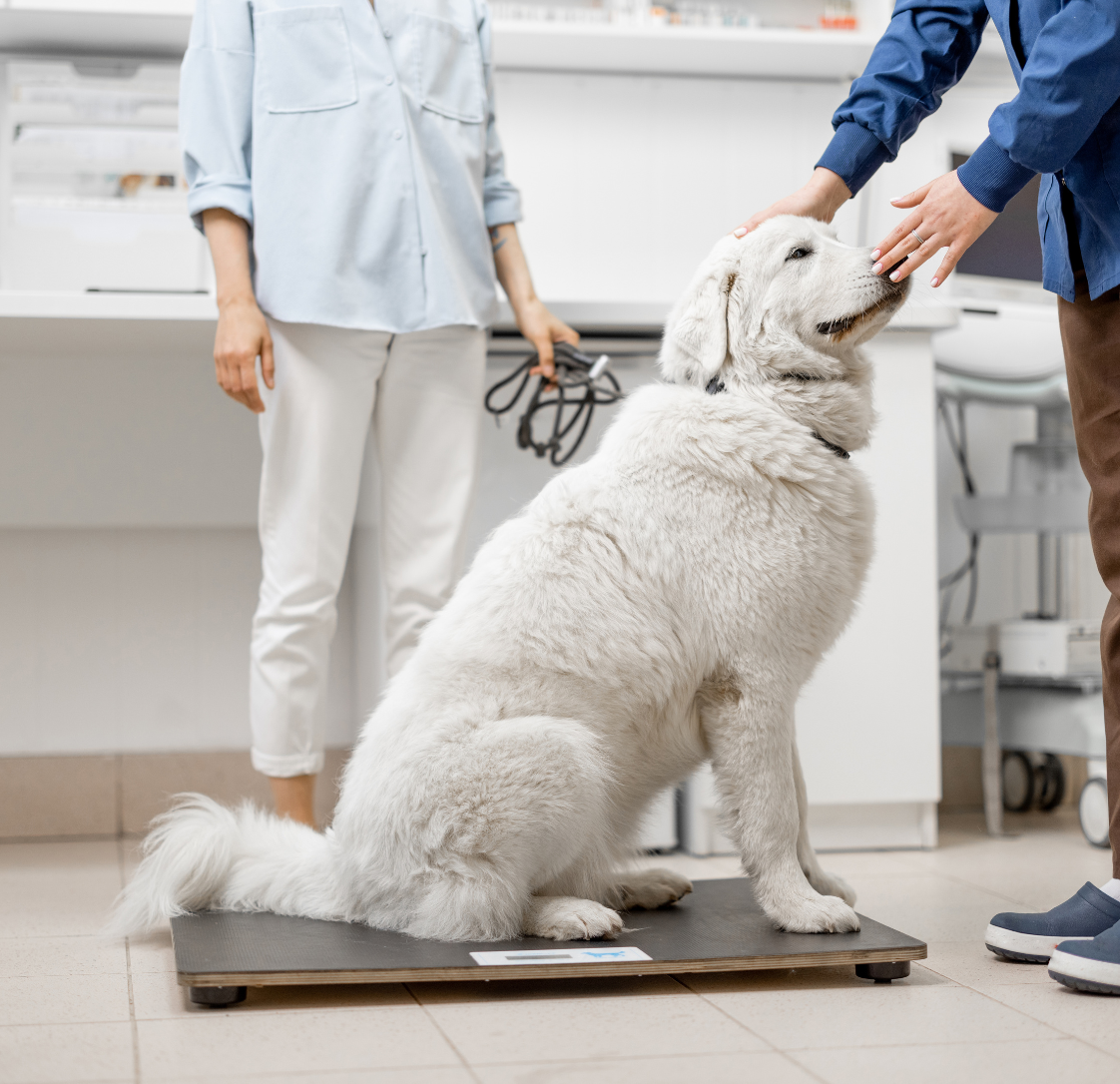
Healthy weight loss for dogs

Is your dog a little too “thick around the middle”? Unfortunately, being overweight can shorten your pet’s lifespan and make them more likely to suffer from breathing difficulties, joint and spinal problems, and organ issues such as pancreatitis.

To help our heavier patients lose excess weight to gain quality of life, we’ve compiled our best practical tips for supporting healthy body condition.

Healthy diet

If your pet is overweight, the first step is to honestly assess what additional cheeky snacks they may be receiving from everyone in the household.

If cutting treats by 80-90% yields no weight improvement after four weeks (or if your pet wasn’t receiving treats to begin with), you should then review their food type and portions. Some pets may do well with strictly measured portions of a high-quality prescription weight loss food (dry and/or tinned), whilst others may respond better to a switch to a nutritionally complete and balanced home-cooked style diet. Ask our vets for personalised recommendations on the healthiest options for your pet.

Appropriate exercise

Unfortunately, heavier pets have a higher risk of dangerous overheating or painful joint injuries if they suddenly launch into activities that their bodies just aren’t used to.

If your pet isn’t currently very physically active, it’s a good idea to build up their exercise regime slowly, starting with short walks in cool conditions or gentle paddles in shallow water. If your dog has any pre-existing health conditions (such as hip dysplasia or arthritis), consult with our experienced vets first.

Weight loss

Whilst reality TV may indicate otherwise, it’s safest for overweight pets to lose weight slowly and steadily, as sudden, drastic weight loss can affect organ health. A good target is a loss of 1-2% of your pet’s bodyweight per week.

For more information on helping your pet to enjoy their healthiest and best life, consult our knowledgeable team.

Feline diabetic dangers

Did you know that obese cats are almost four times more likely to develop diabetes compared to those in optimal body condition?

Here’s more about diabetes in cats; including how to recognise it, how it’s treated, and how to reduce your pet’s risk.

Why are obese cats at a higher risk of diabetes?

Rather than being just an inert “spare tyre”, fatty tissue produces hormonally active substances. In overweight cats, their higher amounts of fatty tissue can lead to an imbalance of some key metabolic hormones such as insulin. Insulin is required to help glucose from food pass into cells (where it is used for energy). A deficiency of insulin therefore means the cat’s body struggles to function normally and becomes unwell.

What symptoms does diabetes cause in cats?

Diabetic cats usually show symptoms such as increased drinking and weeing, and weight loss or poor condition despite an increased appetite. Less commonly, they may also develop nerve problems affecting their back legs, leading to weakness and an unusual flat-footed stance.

If a diabetic cat becomes unwell with another disease, they can be at risk of suddenly deteriorating into a life-threatening state of dehydration and illness, known as diabetic ketoacidosis.

How is diabetes treated?

Traditionally, cats with diabetes have required management of their condition with insulin injections twice daily, and sometimes also a prescription diet.

In some cases, cats may be able to recover from the condition, although many require insulin treatment for the rest of their life.

Can diabetes in cats be prevented?

You can significantly lower your cat’s risk of developing diabetes by keeping them in their healthiest body condition.

If you’re unsure, we’d recommend measuring your cat’s physique against this chart. If your feline friend appears to be over their ideal weight, it’s best to consult our knowledgeable vets regarding a safe and effective weight loss plan for your pet.