May 22, 2026

Back to articles
Seasonal
Swimming in Port Phillip Bay: What Pet Owners Need to Know
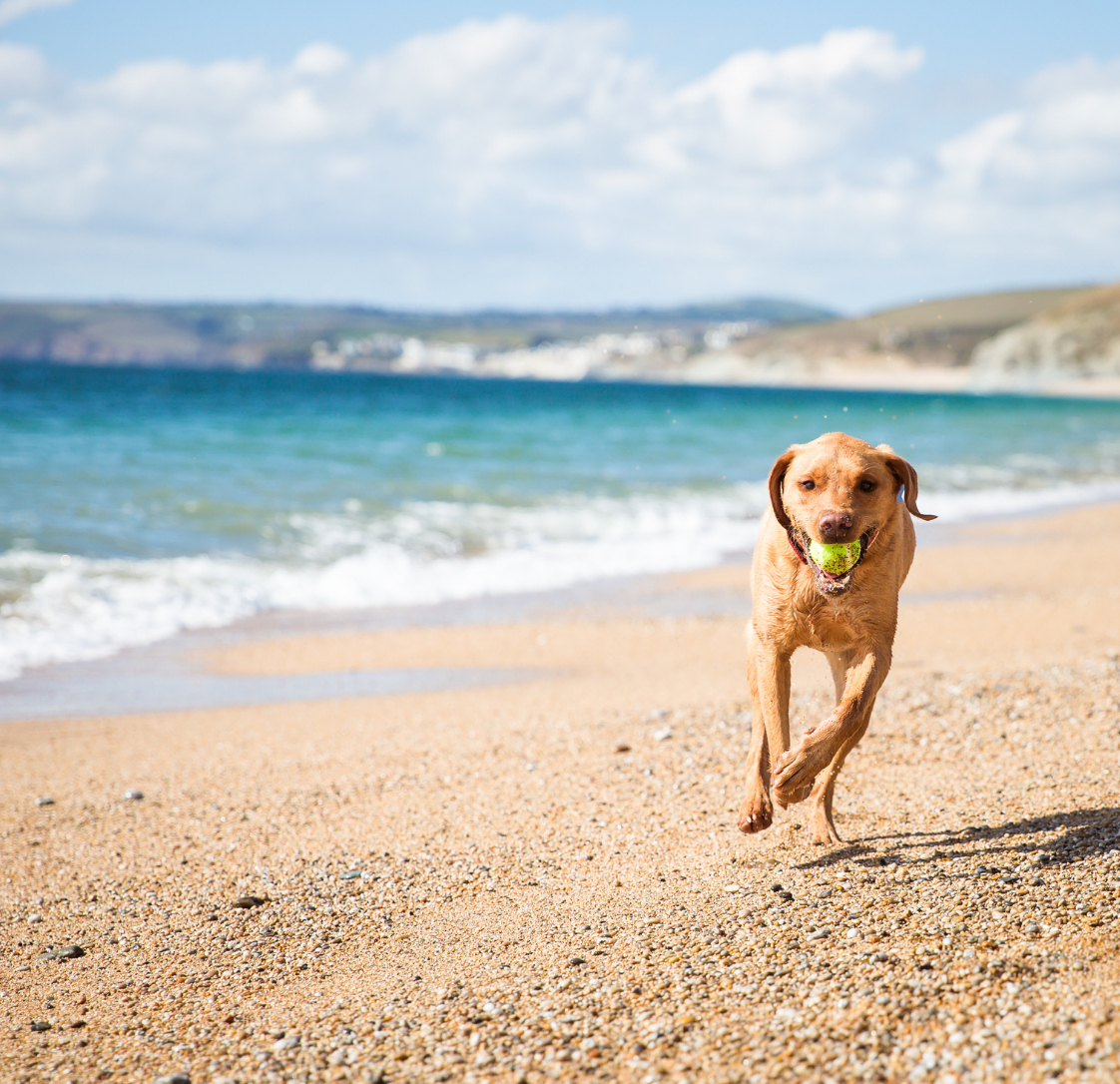
Swimming in Port Phillip Bay is a favourite summer activity for many Brighton and Bayside pet owners. While a paddle or swim can be great exercise for dogs, it is important to be aware that water quality in the bay can change - particularly after rainfall. Victoria's Environment Protection Authority monitors water quality at bay beaches and issues alerts when bacterial levels are elevated. Check the EPA website or the Swim Safe Victoria app before heading to the beach with your dog.
Blue-green algae blooms can occur in freshwater bodies including some local parks and reserves during hot weather. These algae produce toxins that are highly dangerous to dogs - even a small amount of contaminated water can be fatal. Signs of algae toxicity include vomiting, seizures, and collapse, typically within minutes to hours of exposure. If your dog swims in or drinks from a body of water you are unsure about and shows any of these signs, contact us immediately.
After any swim in the bay, rinse your dog with fresh water to remove salt and any contaminants. Dry the ears thoroughly - dogs who swim regularly are prone to ear infections due to moisture in the ear canal. Check between the toes and under the collar for any irritation.
If your dog is not a confident swimmer, consider a dog life jacket for bay swims. Even strong swimmers can tire in currents, particularly older dogs or those with joint conditions.
Call us on (03) 9592 9811 or book online at middlebrightonvet.com.au/book-online.
.png)