November 16, 2026

Back to articles
When the Itch Keeps Coming Back
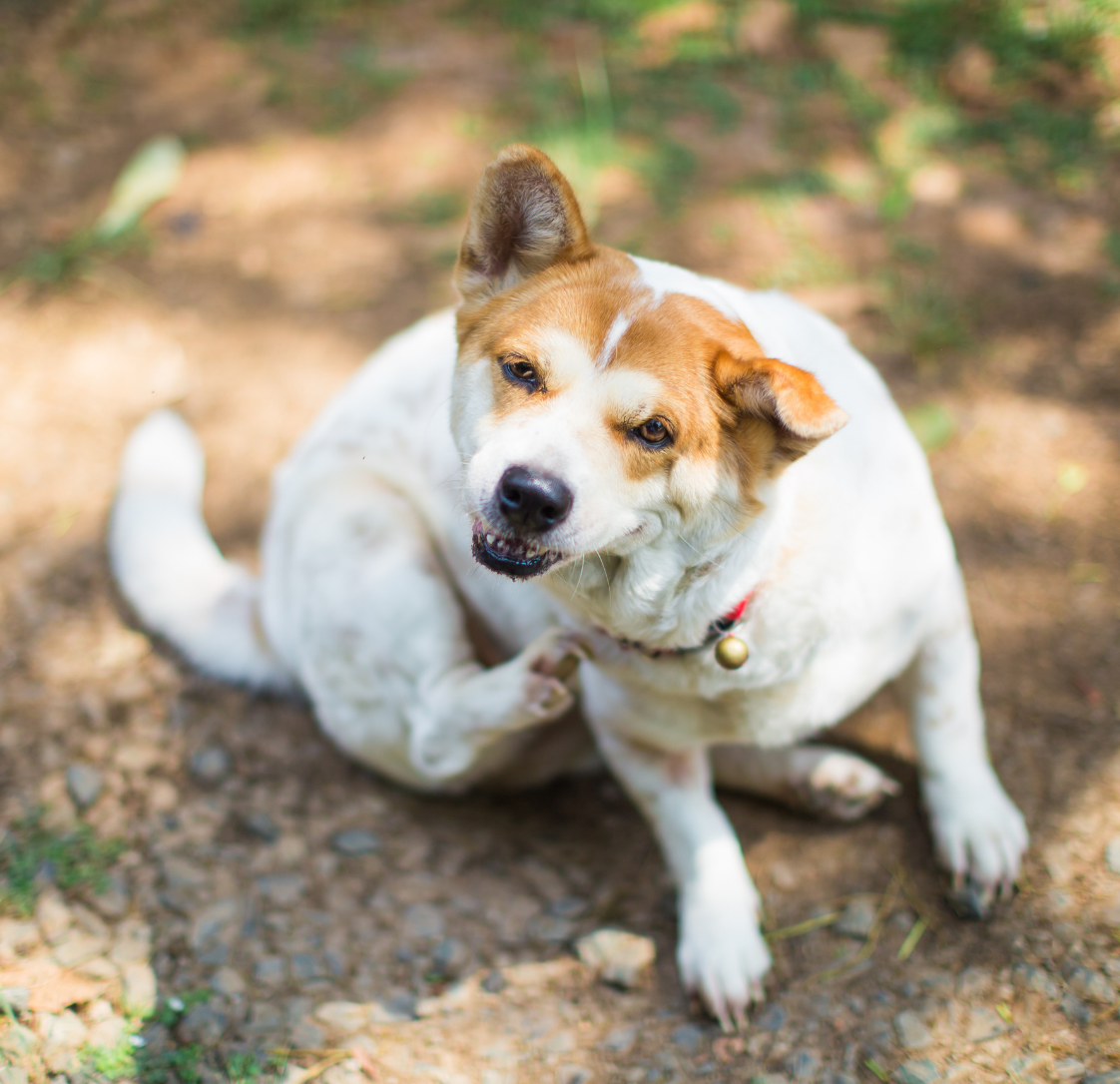
If you have an itchy pet, you probably know the cycle.
The scratching starts. Maybe their paws become red, their skin looks sore or their ears begin bothering them. We treat the problem, things settle down and everyone breathes a sigh of relief.
Then, a few weeks or months later, it starts again.
When this happens, it does not necessarily mean the previous treatment did not work. It may mean there is something underlying the flare ups that we need to understand and manage differently.
First, we need to make them comfortable
When your pet is itchy, our first priority is to work out what is happening now.
There may be inflammation, a bacterial or yeast infection, or another problem making their skin uncomfortable. Treating that immediate problem is important.
But when we start seeing the same pet back with similar problems, we also need to step back and look at the bigger picture.
Why does the itch keep returning?
There is no single cause of itchy skin.
Environmental allergies, food allergies, parasites and secondary infections can all play a role. Some pets also have more than one thing going on at the same time.
That is why two itchy dogs may need quite different plans.
And sometimes the pattern itself gives us useful clues. Does it happen at a particular time of year? Is it paws and ears rather than the whole body? Does it settle completely between episodes, or is there always a little bit of licking or scratching?
Those details matter.
Sometimes the goal changes
With a one-off skin problem, the goal may simply be to treat it and move on.
With allergic or recurring skin disease, we start thinking differently. Instead of waiting for each significant flare up, we want to understand your pet's individual pattern, reduce how often problems occur and have a plan for what to do when they do.
That may include medication, shampoos or topical treatments, parasite prevention, diet, home care and regular check ins.
Most importantly, it needs to be a plan that is realistic for your pet and your household.
The small changes are worth telling us about
If you have noticed more paw licking, scratching, rubbing, recurrent ear problems or changes in your pet's skin, let us know.
These seemingly small observations can help us piece together a much bigger picture.
Our aim is not simply to stop today's itch. It is to help your pet stay comfortable for longer.