762 Hampton St, Brighton, 3186
Vet Support 24/7
book now03 9592 9811SHOP ONLINE
Kitten Dental Care Guide
April 6, 2026

Kitten Dental Care Guide

Kitten Dental Care Guide

How to Keep Your Kitten’s Teeth Healthy from Day One

Your kitten’s teeth might be small now, but dental care starts early.

Many adult cats develop dental disease, and it often begins in the first year of life. The good news is that with a simple routine, you can prevent most issues before they start.

Why Dental Care Matters

Dental disease is one of the most common health issues in cats.

Without proper care, plaque can build up and lead to:

  • Bad breath
  • Gum disease
  • Pain when eating
  • Tooth loss

Starting early makes everything easier and helps your kitten stay comfortable long term .

Brushing Your Kitten’s Teeth

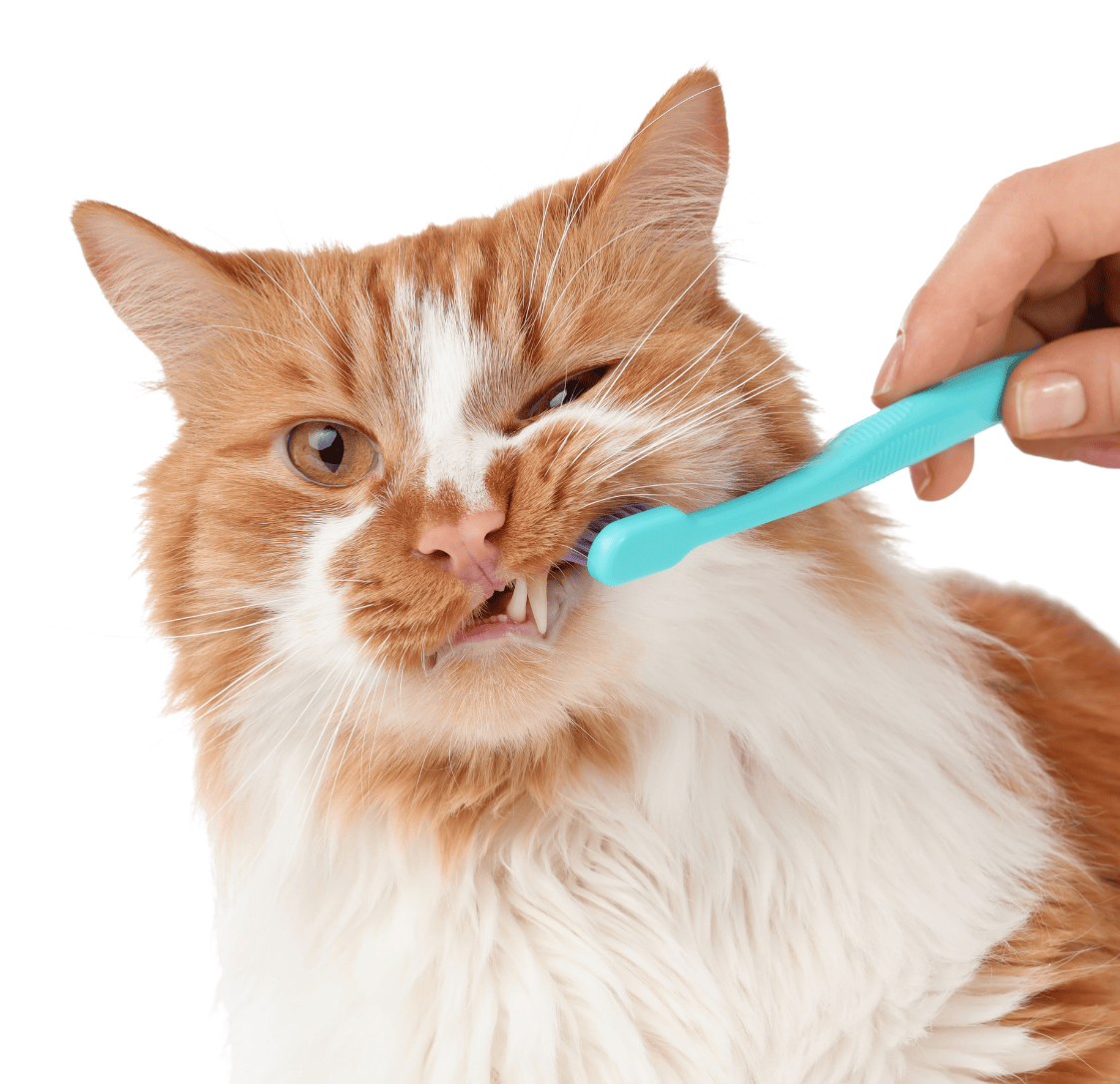
Brushing is the most effective way to keep your kitten’s teeth clean.

How often

Aim for 3 to 4 times per week. Daily is ideal if your kitten tolerates it.

What to use

  • A small toothbrush or finger brush made for cats
  • Cat specific toothpaste only

Never use human toothpaste. It can be harmful to cats.

How to get started

  • Let your kitten taste the toothpaste first
  • Gently lift the lip and brush in small circles
  • Focus on the back teeth and along the gum line
  • Keep sessions short and positive

Consistency matters more than perfection .

Dental Treats and Toys

Dental treats and toys can help support oral health and keep your kitten engaged.

What to look for

  • Products designed to reduce plaque and tartar
  • Safe sizes appropriate for kittens

How often

A few times per week is enough to support your routine.

Always supervise your kitten with new treats or toys.

Water Additives

Water additives can help freshen breath and reduce bacteria in the mouth.

They are easy to use and can be added to your kitten’s water daily.

They are helpful, but they do not replace brushing.

Feeding for Healthy Teeth

Diet plays a role in dental health.

  • Dry food can help reduce plaque as your kitten chews
  • Dental specific diets may provide additional support
  • Avoid too many soft or sticky treats

A balanced diet supports both dental and overall health .

Regular Vet Checks

Routine check ups help detect dental issues early.

  • Your vet will assess your kitten’s teeth during visits
  • Professional cleaning may be recommended later in life

Catching problems early prevents more serious issues down the track.

Signs of Dental Problems

Cats are very good at hiding discomfort, so it is important to watch for subtle changes.

Look out for:

  • Bad breath
  • Red or bleeding gums
  • Drooling
  • Pawing at the mouth
  • Difficulty eating
  • Loose or damaged teeth

If you notice any of these signs, it is best to have your kitten checked.

Building Good Habits Early

Dental care is much easier when it becomes part of your routine early on.

A kitten that is comfortable with:

  • Mouth handling
  • Brushing
  • Routine care

Will be easier to manage as an adult.

Small, consistent habits now can prevent bigger problems later.

Need Help or Have Questions?

If you are unsure how to start brushing or choosing the right products, you are not alone.

Our team can help with:

  • Demonstrating brushing techniques
  • Recommending suitable products
  • Building a routine that works for your kitten
  • Answering any concerns along the way

If you have any questions, feel free to get in touch. We are always happy to help guide you.