July 15, 2026

Back to articles
Wellness
Twice for Life: What Your Pet's Mid-Year Senior Check Involves and How to Book
If your dog or cat is five or older, you are in what we think of as the twice-a-year chapter of pet ownership.
We wrote about why six-monthly checks matter in our earlier piece on twice-yearly care. The short version: six months in a senior pet's life represents a lot more change than it does in ours, and the earlier we notice something shifting, the more we can do about it.
This piece is about the mid-year visit itself. What actually happens, what we are looking for, and how to book one.
It is a full check, not a shorter one
We want to be clear about this because it sometimes surprises people. Your pet's mid-year visit is not a brief once-over or a reduced version of their annual. It is a complete health assessment.
We take the same amount of time and cover the same ground as we would at any comprehensive visit. The value of doing it twice is not that we do half the work each time. It is that we get to compare this visit against the one six months ago, and notice things we would not catch from annual checks alone.
What we work through
Weight and body condition
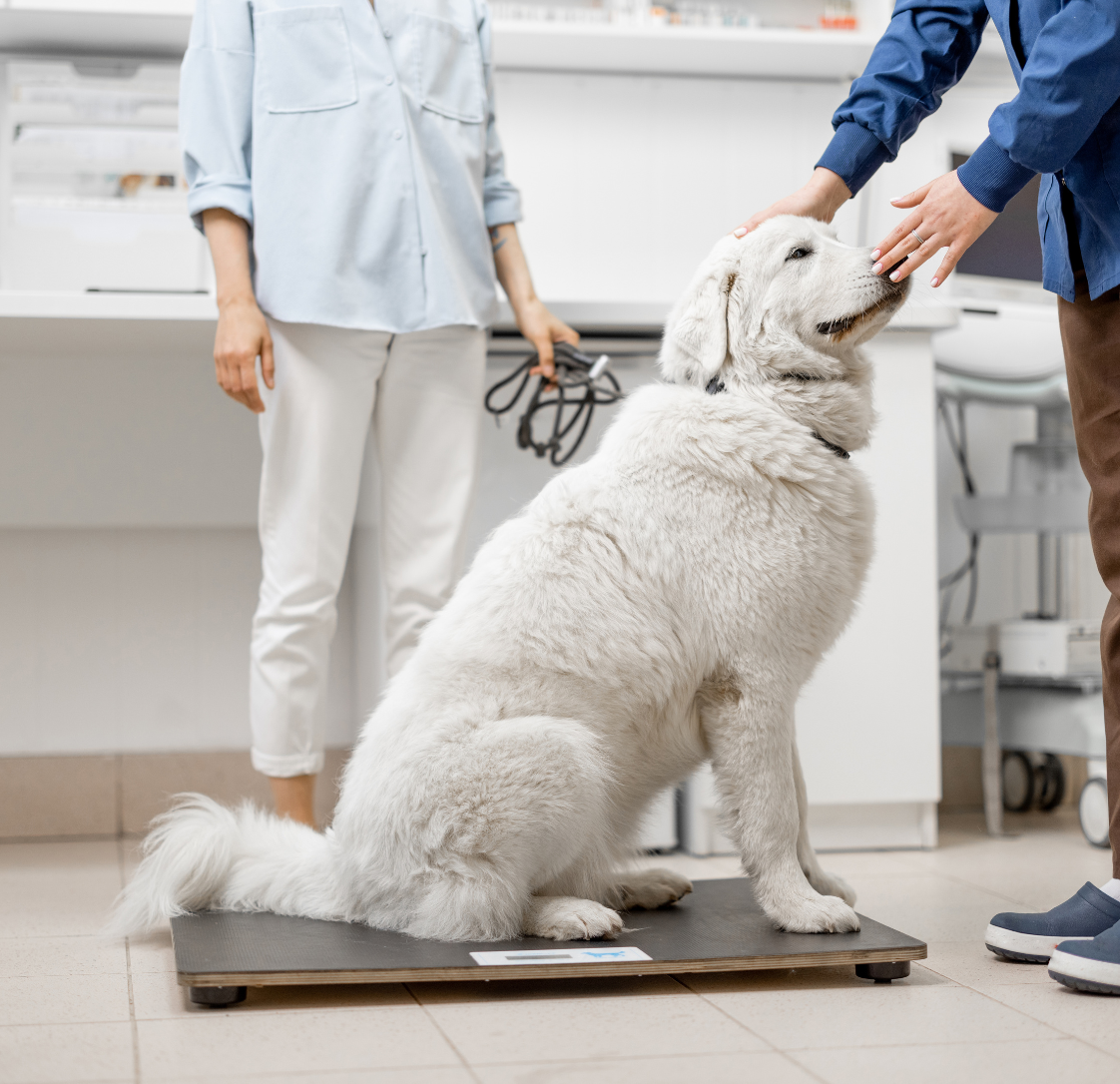
We weigh your pet and assess their body condition score. Gradual weight changes, particularly loss of muscle mass in older pets, can be one of the earliest signs of a systemic problem. The changes are often subtle enough that they are hard to notice at home when you see your pet every day. We notice them because we have the last visit to compare against.
Heart and lungs
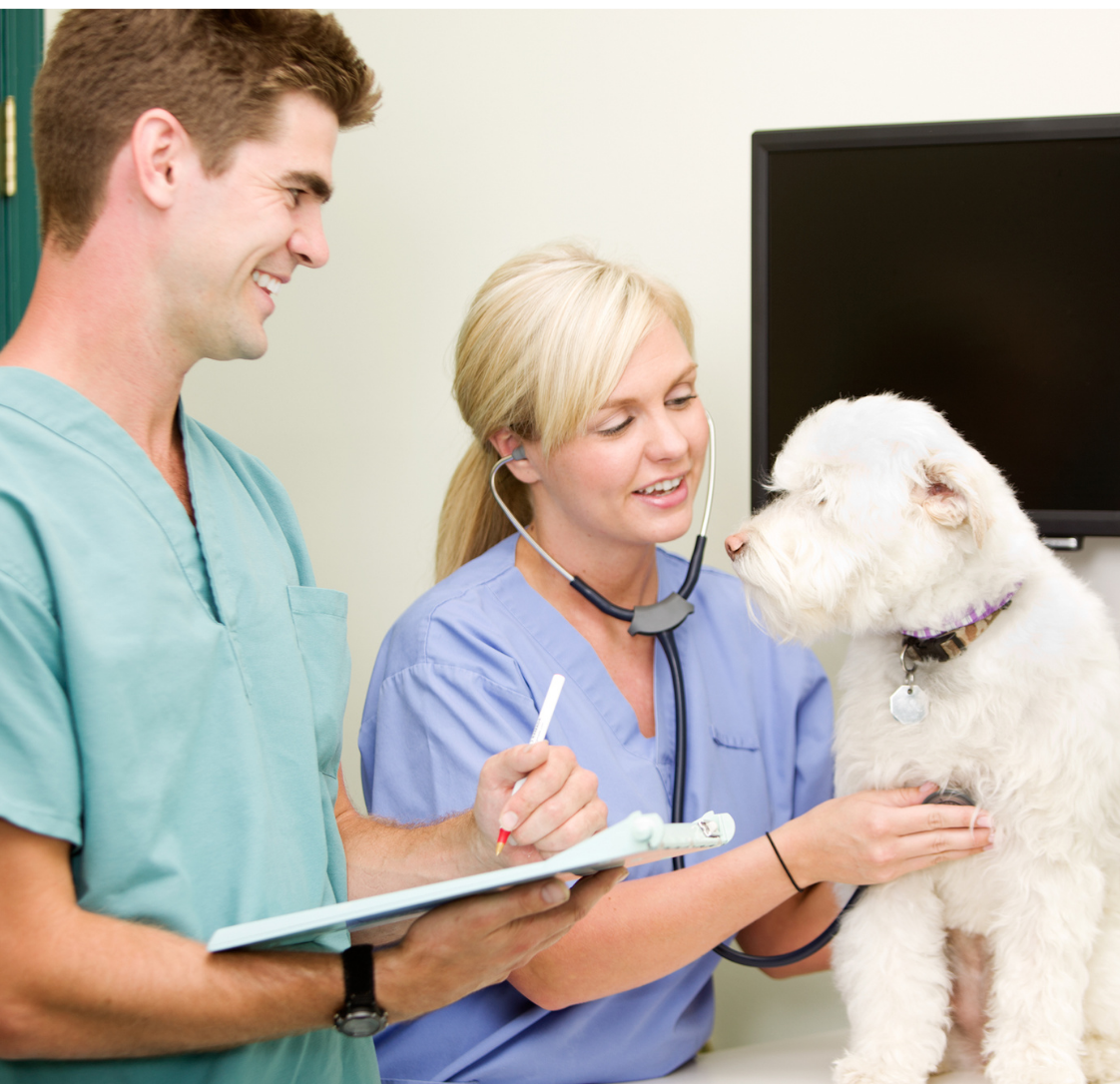
We listen carefully to the heart and lungs. Heart murmurs, rhythm changes, and the early sounds of fluid on the lungs can all be detected before any outward symptoms appear. Cardiac disease is one of the most common conditions in senior dogs, and finding it early changes the management options meaningfully.
Full physical examination
We work through the abdomen, lymph nodes, skin and coat, eyes, and ears. We note any new lumps or changes since the last visit. We assess mobility and watch your pet move. If something is different from last time, we want to know about it and explain what it might mean.
Dental assessment
We check the teeth and gum line at every visit. Dental disease is one of the most common sources of discomfort in older pets, and it progresses between visits. Catching early changes at a mid-year check often means a simpler, less costly dental procedure down the track.
Blood and urine testing
Depending on your pet's age, history, and what we find on examination, we may recommend blood and urine testing at your mid-year visit. For older pets or those managing known health conditions, we recommend twice-yearly testing as a standard.
The panel gives us a view of organ function that a physical exam cannot: kidney and liver health, blood glucose, thyroid levels (particularly important for cats over ten), and red and white blood cell counts. We look for early changes in kidney function and hyperthyroidism in cats, both of which are very common in senior pets and respond well to early management.
If anything has changed since the last panel, we can see exactly how much and over what period of time.
What we are specifically watching for in senior pets
The conditions that develop gradually in older dogs and cats, and that we monitor most closely at every senior visit, include:
- Dental disease
- Arthritis and joint disease
- Kidney disease
- Heart disease
- Diabetes
- Hyperthyroidism (particularly in cats)
- Cognitive dysfunction
Most of these have no obvious outward signs in their early stages. A pet with early kidney disease may eat, drink, and play normally. A cat with mild hyperthyroidism may just seem a little more vocal or a little lighter than usual. Six-monthly checks, with blood work as part of the picture, are how we find these things before they become harder to manage.
What to tell us at your visit
You know your pet better than anyone. At every visit we ask the same questions: how has your pet been since we last saw them, have you noticed anything different, how are they eating, drinking, moving, sleeping?
The things you notice at home often precede anything we can detect on examination. A pet that has been reluctant to jump up onto the couch for the past month may have early joint changes. A cat that has been drinking more than usual may have developing kidney disease or diabetes. Please mention these things even if they seem minor or you are not sure if they are relevant.
When to book
If your pet had their annual check earlier in the year, the mid-year visit falls roughly six months after that. For pets coming to us in the first quarter of the year, mid-year falls right about now.
If you are not sure when your pet last had a comprehensive check, or whether they are on a twice-yearly schedule, call us and we will look at their history and work out the timing together.
From age five for dogs and cats, six-monthly visits are our recommendation. If you are not sure whether your pet is at that stage yet, we are happy to talk through where they sit.
Book a mid-year check
Call Middle Brighton Vet on (03) 9592 9811 or book online at middlebrightonvet.com.au. We are on Hampton Street in Brighton, open Monday to Friday 8am to 7pm and Saturday 8am to 2pm, and we are currently welcoming new clients from Brighton, Bayside, Hampton, Sandringham, and surrounding suburbs.
.png)